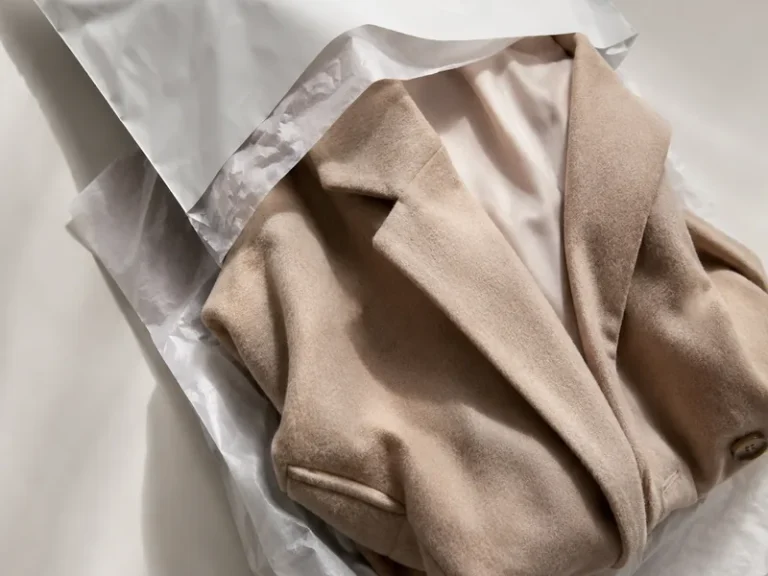
Customer returns
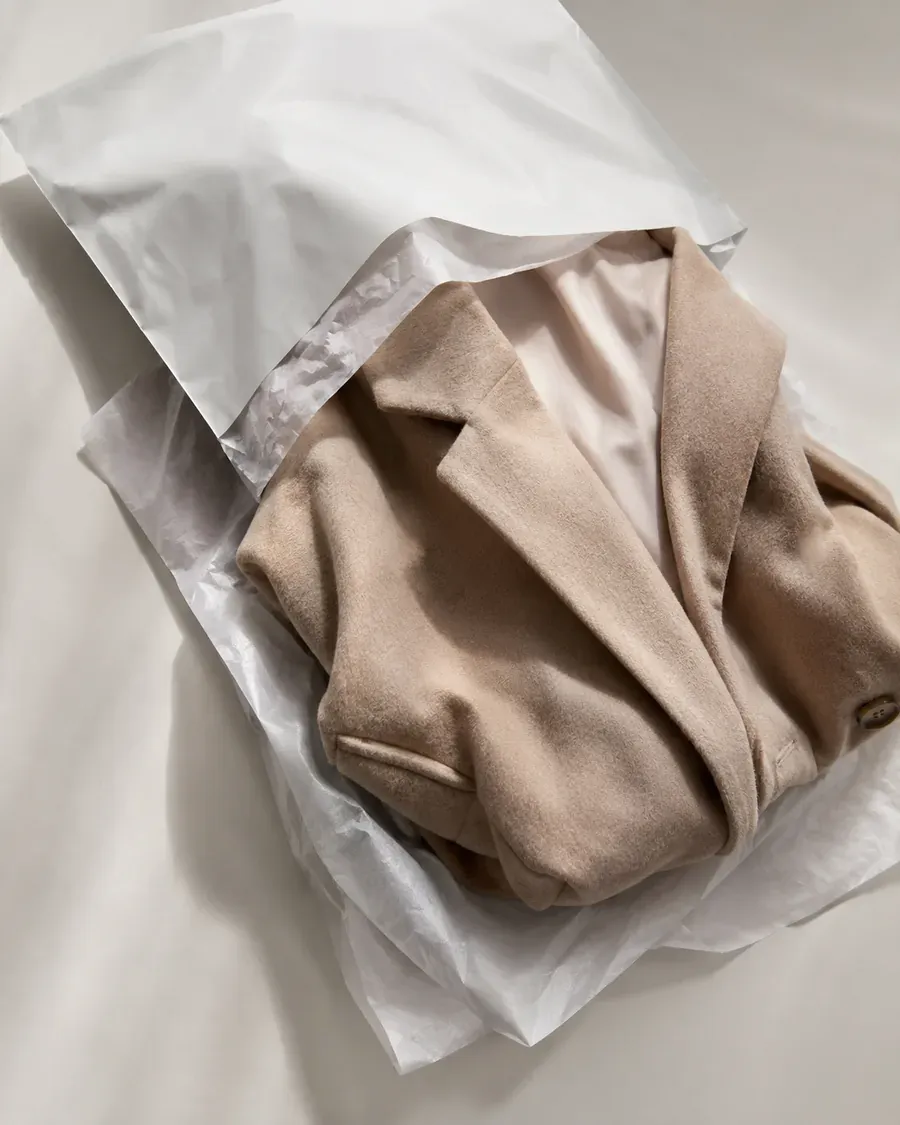
Packed by the customer, usually in a hurry. The garment is pushed back into its mailer, folded differently from the way it was sent, and often carries signs of being tried on at home.
We'd like to use cookies to see how people use this site and to measure our LinkedIn advertising. Nothing runs unless you say yes, and you can change your mind at any time from Cookie settings at the foot of every page. Read the cookie policy
( No minimum order. Even fifty pieces. )
A crease or a make-up mark is enough to stop a garment going back on sale. The garment itself is often perfectly sound.
Opera assesses, cleans, conditions and repairs returned clothing so more of it can be sold again. We work with customer returns, wholesale stock and other garments that are commercially sound but no longer in the condition you would put in front of a customer. There is no minimum order. Recovered stock comes back to you.
The demonstration is free and there is no obligation to continue.
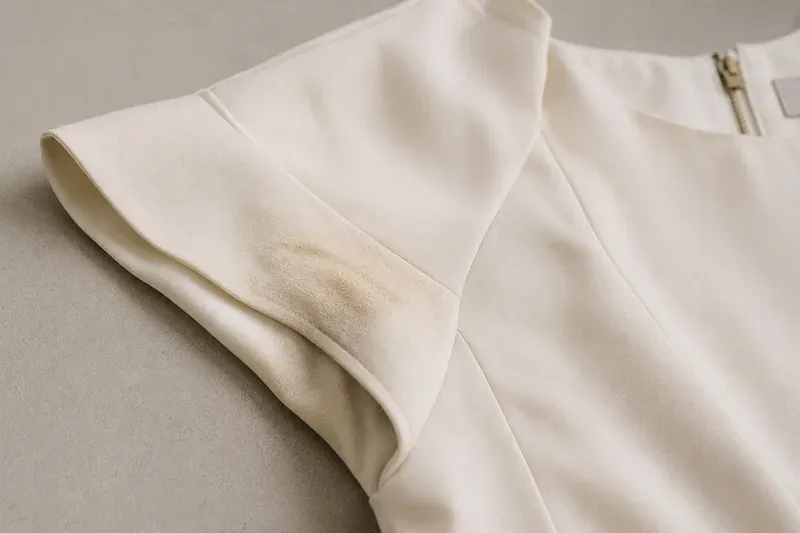
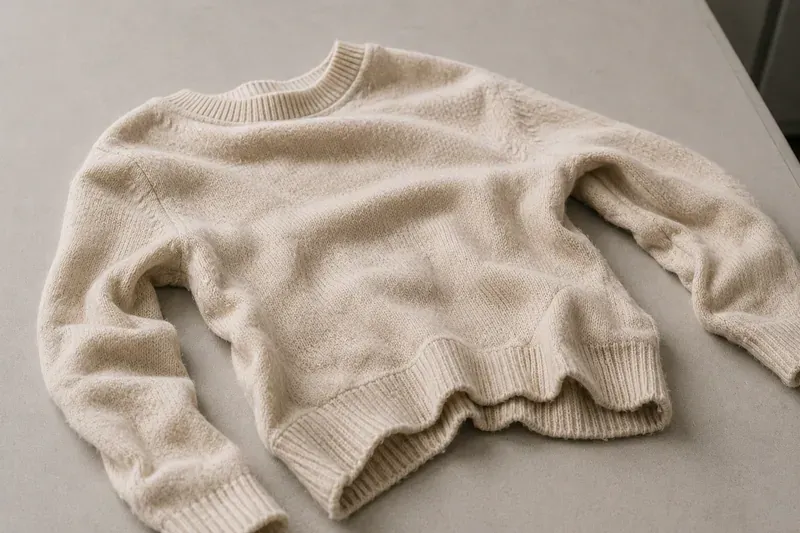
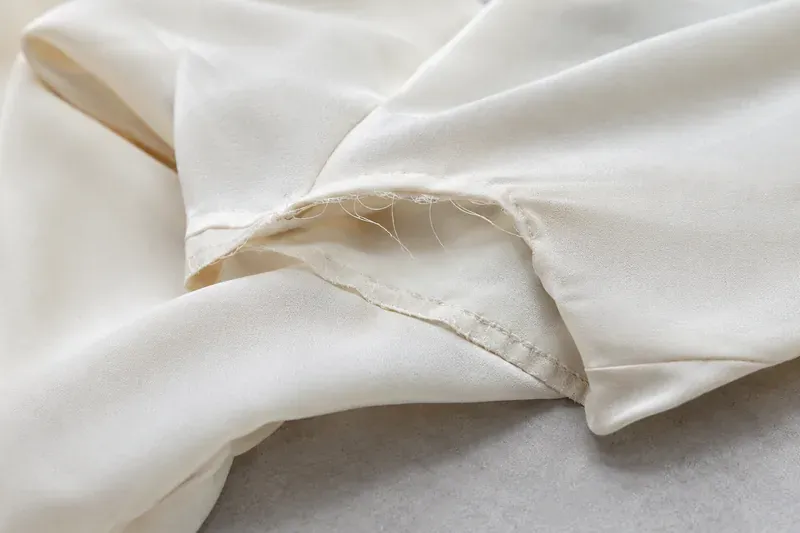
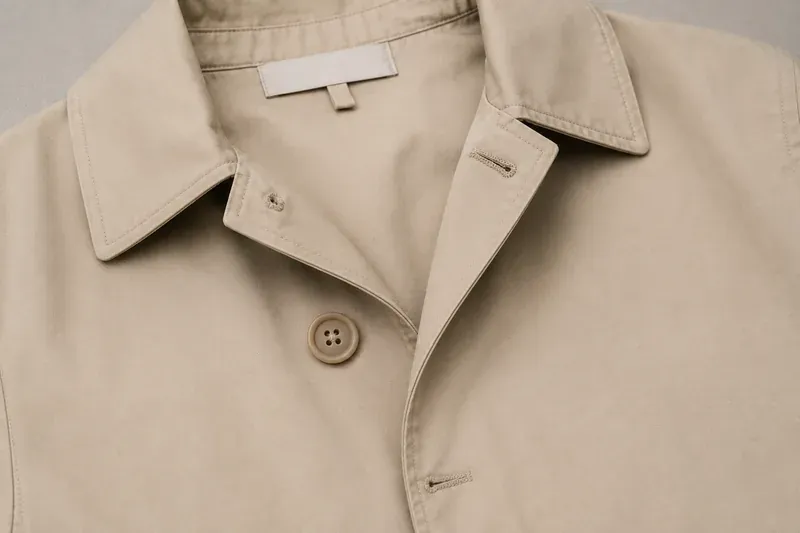
( Definition )
Garment returns recovery is the process of assessing and reconditioning clothing that cannot be resold in the condition in which it was returned.
The work can include cleaning, steaming, pressing, finishing and repair. The aim is to return suitable garments to a resale-ready condition so the brand can sell them again wherever it normally sells. It is relevant when the garment itself still has value, but its condition has taken it out of sale.
Opera is a single point of access to a network of professional garment care experts. Each garment is handled in the market it sold in, by people who already know how that fabric and construction behave.
Every garment is assessed individually. A piece that needs steaming and finishing sits alongside one that needs cleaning, one that needs a repair, and one that cannot be recovered at all.
( Where it sits )
Whoever handles returns for you records it, deals with the refund or exchange, checks the garment and puts saleable pieces back into stock. Damaged or marked items are separated out.
Recovery begins with the garments that do not pass that first check but may still be commercially useful. Opera takes those pieces, assesses the work needed and reconditions the stock that can be brought back.
Opera works alongside whatever you already use to handle returns, so nothing needs replacing.
of textile products put on the market in Europe are destroyed before use, an estimated 264,000 to 594,000 tonnes of textiles each year.
European Environment Agency, Briefing 01/2024, The destruction of returned and unsold textiles in Europe’s circular economy.
Recovery addresses one part of that: clothing that still has commercial value and has fallen out of sale because of its condition.
( What comes back )
A condition problem small enough to miss on a rail is still enough to stop the piece being listed as new.
Clothing is unforgiving about presentation. Where the garment came back from decides most of the work it needs.
Packed by the customer, usually in a hurry. The garment is pushed back into its mailer, folded differently from the way it was sent, and often carries signs of being tried on at home.
Wholesale and retailer returns arrive by a different route. The stock may have spent months on a rail, been tried on repeatedly, then come back packed by a stockroom that follows its own processes.
What comes back, and the work each one needs.
The right treatment depends on the fabric, construction, finish and condition of the individual garment. Opera works across dresses and occasionwear, knitwear, tailoring, shirts and separates.
| WHAT COMES BACK | THE WORK IT NEEDS | |
|---|---|---|
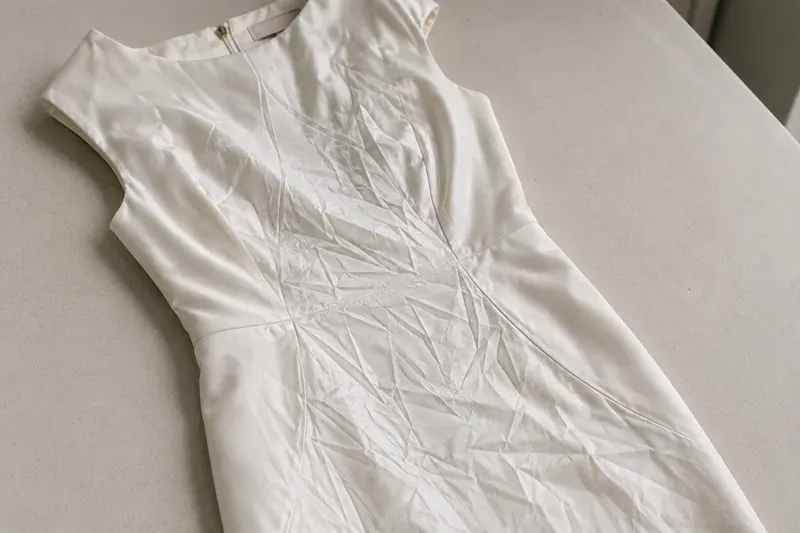
| Heavy creasing through the front of a dress | Steaming, pressing and finishing. |
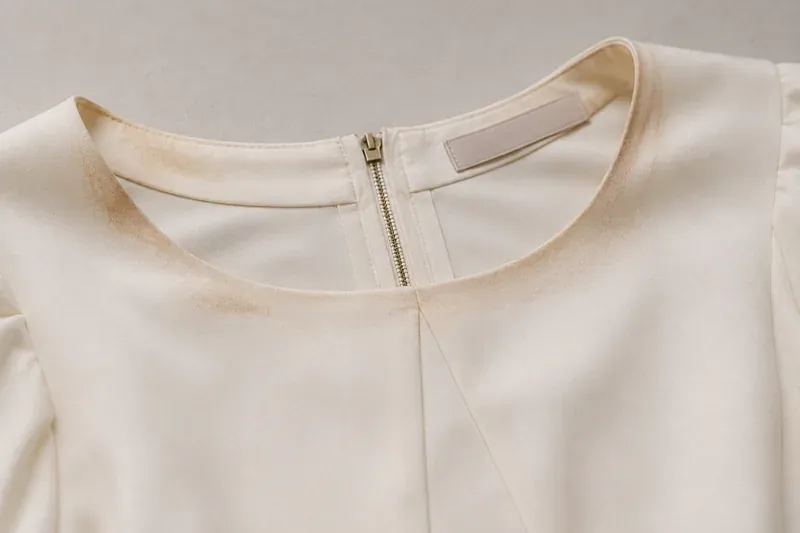
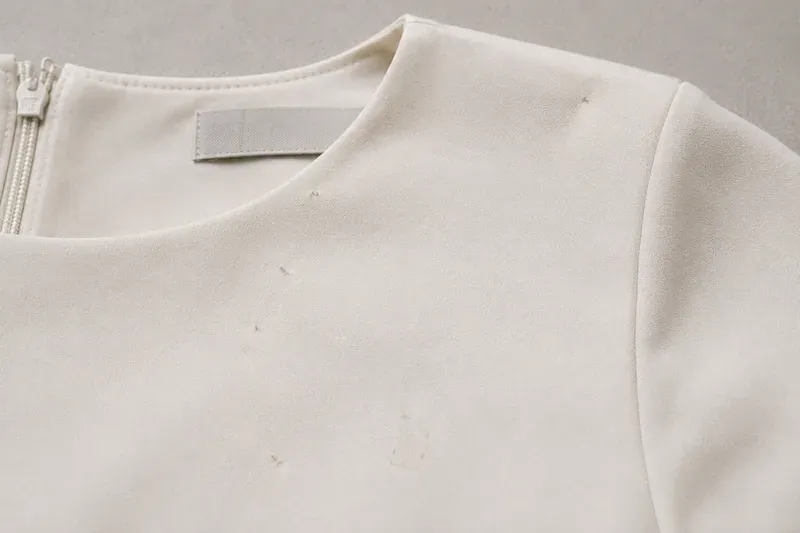
| Make-up at a neckline, picked up in a try-on | Fabric assessment and professional cleaning. |
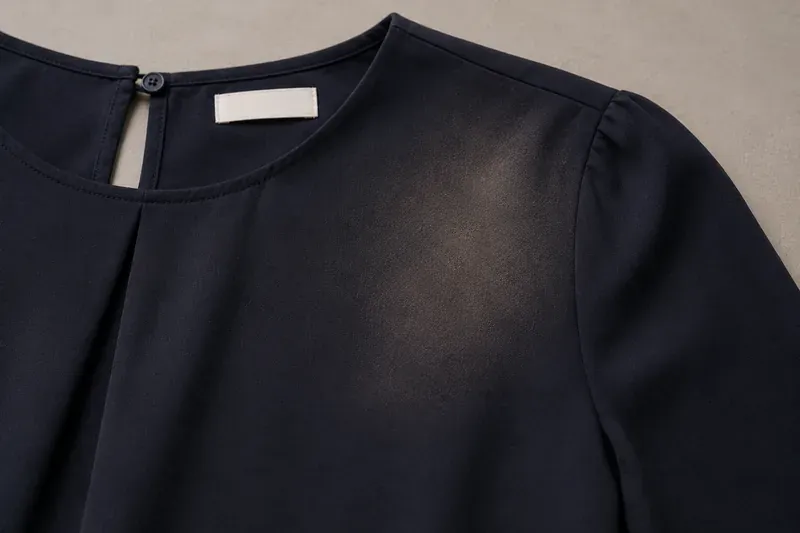
| A deodorant mark under the arm | Cleaning suited to the fabric and finish. |
| Misshapen knitwear after poor folding | Conditioning and reshaping where possible. |
| A loose hem or seam | Repair where the construction allows it. |
| A missing button or trim | Repair or replacement where suitable. |
| Pin and tag marks from a shop floor | Cleaning, finishing and presentation checks. |
| Localised fading from shop lighting | Assessment before any treatment is agreed. |
( Your own returns )
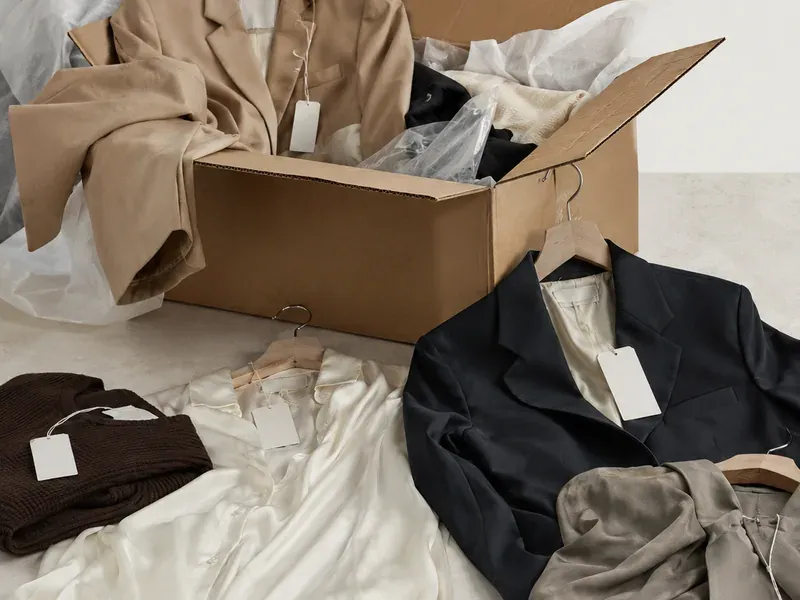
The most useful demonstration is a batch of garments from your own returns. Opera will assess the pieces, carry out the appropriate recovery work and show you which garments could be recovered, what work each one needed, which could not be recovered, and what the finished stock looks like.
The demonstration is free and there is no obligation to continue.
( The process )
Set aside customer returns, retailer returns or unsold garments that are still commercially useful but need work before they can be resold. You do not need to decide what each piece needs, or sort them into cleaning, steaming and repair batches first.
Pack the stock and tell us where it has come from and how you would normally sell it. There is no minimum order. The service can be used for a small test batch, a seasonal wholesale return or a regular flow of customer returns.
Opera examines every garment on its own condition: the fabric and construction, the marks or signs of handling, the cleaning or conditioning required, any repair needed, and whether the piece can realistically be brought back. This matters because returned stock is rarely uniform. Two garments from the same style may have come back with completely different problems.
Cleaning and conditioning lead the process. Repairs are carried out where they are needed and suitable for the garment. The work may include professional cleaning, steaming, pressing and finishing.
Resale-ready means the garment has been cleaned, conditioned, repaired or finished to the agreed standard and returned in a condition suitable for the brand to assess for resale. It does not mean a full-price outcome is guaranteed. The final selling decision stays with the brand.
The garments come back with a record of what was done and which pieces were recovered. The stock belongs to you, and can go to standard stock, an outlet, a resale channel, a sample or archive sale, or any other route you choose. Opera does not take ownership of recovered garments or decide where they are sold.
( Fit )
Recovery is useful when saleable stock is held back by work that does not fit around the rest of the day.
A small number of pieces can be handled informally. As the pile grows, the work becomes harder to fit around dispatch, stock control and customer service.
Somebody still has to inspect the garment, clean it, press it and decide what happens next. That usually falls to people with other responsibilities.
Retailer returns arrive together at the end of a season. The volume is concentrated and the garments need different work depending on where they were displayed.
An occasionwear or tailoring piece is hard to bin over something minor.
Depending on the garments and how the business operates, recovery can mean:
Opera does not promise that every item will be recovered. The useful measure is what happens to the actual stock a brand is holding.
( What cannot be recovered )
Some marks will not lift. A finish can rule out the treatment that would have worked, and a repair that is technically possible can cost more than the piece is worth.
Those pieces are identified in the assessment and report. The report names the pieces that were recovered and the pieces that were not, so you can see what recovery looks like on your own stock before deciding anything further.
On the rules: the EU destruction ban applies to large companies now and medium-sized companies from 19 July 2030, so most independent brands are not caught by this yet.
Read the Compliance hub( Get in touch )
Tell us what is coming back, where it is coming from and what currently happens to it. We will review the details and tell you honestly whether garment recovery looks suitable.
Tell us roughly how much you have and where it came from.
No minimum order, whatever you have to send.
( Questions )
No. Opera Garment Solutions does not set a minimum order. There is no volume you have to reach first.
Some can. It depends on the garment, the mark or condition issue, the fabric and the standard required by the brand. Every piece is assessed before treatment, and the brand makes the final resale decision.
No. Most of the work is cleaning, steaming, pressing and conditioning, because of how the garment was tried on, handled, stored or repackaged. Repairs are carried out where they are needed.
No. Opera assesses each garment and identifies the work it needs. Telling us where the stock came from and any known issues is helpful, but you do not need to separate every piece by treatment.
Tell us where the garments are held. Opera will confirm the available collection and return route before anything is sent.
The cost of ongoing work depends on the garments, their condition and the treatment required. The initial demonstration is free, so you can see the result on your own stock before discussing an ongoing service.
This was the first step that helped a fast-growing fashion brand unlock value with Opera, using only what they already had in stock.
Use this one-page checklist to assess how a Free Box Test from our Pilot Programme could help you better understand and recover value from the items that don’t make it to the shopfloor.